Research Laboratory at Indiana University Bloomington (Cognitive Science Program).
We combine
olfactometry and electroencephalography (EEG)
to study the human sense of smell
as a new model for theories of mind and brain.
Smell is the only sense for which an entirely new stimulus can be created artificially. Chemists frequently design novel molecules with physicochemical structures unknown in nature, sometimes with heretofore uncharted sensory qualities.
Smell possesses all the hallmarks of an open system where the nose cannot predict the features with which it comes in contact. But how does the brain make sense of a stimulus space with unknown boundaries that are still expanding?
Want to know about Olfaction?
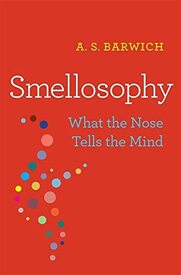
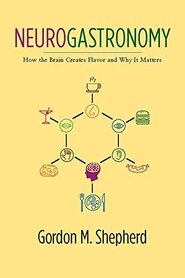
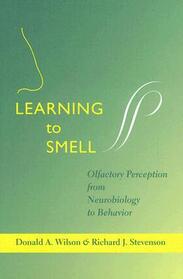
Recommended Readings:
|
|
|

|
